
1. Tulsi (Holy Basil) – The Stress Buster
If your nervous system feels like it’s running a marathon on caffeine and life stress, tulsi tea is your answer. It’s an adaptogen, which means it helps your body handle stress rather than letting it run the show. Bonus? It also supports hormone balance and immunity.
Best for: Anxiety, stress, hormone balance
2. Rooibos – The Skin & Gut Healer
This South African gem is naturally caffeine-free and loaded with antioxidants. It’s amazing for gut health, reducing inflammation, and giving your skin that glow-up. Plus, it has a subtle vanilla-like flavor that makes it so comforting.
Best for: Digestion, inflammation, skin health
3. Matcha – The Energizer Without the Crash
Unlike coffee, matcha gives you energy without the jitters. It’s packed with L-theanine, which keeps you calm and focused while giving your brain a serious boost. Plus, it’s a powerhouse for metabolism, detoxing, and glowing skin.
Best for: Clean energy, focus, metabolism
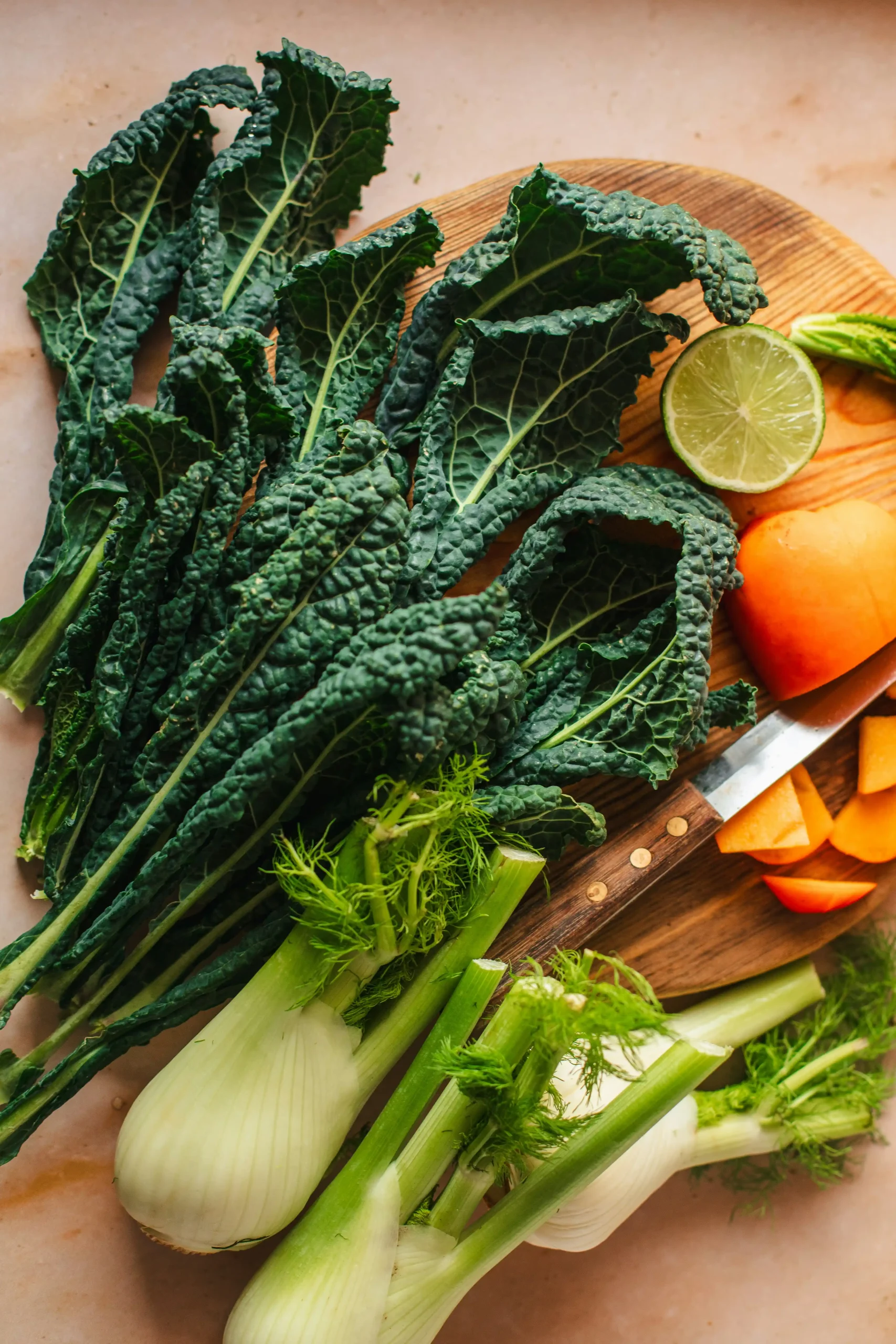
4. Fennel & Ginger – The Ultimate Gut Soother
Feeling bloated? A little sluggish? This duo is your gut’s best friend. Fennel helps digestion and reduces bloating, while ginger is anti-inflammatory and great for nausea. It’s basically a mini gut reset in a cup.
Best for: Digestion, bloating, nausea
5. Dandelion Root – The Liver Detoxer
This one might sound a little too healthy, but trust me—it’s worth it. Dandelion root tea is incredible for liver detox, digestion, and hormone balance. It has an earthy, slightly bitter taste that pairs well with a dash of cinnamon or raw honey.
Best for: Detox, liver health, hormone support
6. Chamomile – The Sleep & Chill Expert
If you need help unwinding at night, chamomile is a game-changer. It’s known for its calming effects, supporting deep sleep, and even helping with digestion before bed. Bonus? It also has anti-inflammatory benefits for the gut and skin.
Best for: Sleep, relaxation, gut health
Final Sip…
Tea isn’t just about hydration—it’s a little act of self-care. Whether you need energy, relaxation, or a gut reset, there’s a tea for that. So next time you’re making yourself a cup, take a deep breath, slow down, and let it be a moment of nourishment for your body and soul.
9.
Are Dairy-Free Milks Actually Healthy? Let’s Spill the (Nut) Milk!
Dairy-free milks are everywhere—oat, almond, macadamia, cashew, even pea milk (yes, really). If you’ve ever found yourself staring at the endless options in the grocery store wondering, Which one is actually good for me?—you’re not alone. Let’s break it down, so you can sip with confidence.
The Most Popular Dairy-Free Milks: What’s the Deal?
Oat Milk
Oat milk is thick, creamy, and naturally a little sweet, making it a coffee shop favorite. It also contains beta-glucan, a type of fiber that’s great for heart health. Sounds good, right? Well, here’s the catch—most oat milks are packed with vegetable oils, gums, and emulsifiers, which aren’t exactly gut-friendly. Oh, and unless it’s organic, oats are often sprayed with glyphosate (a nasty pesticide linked to hormone disruption). Yikes.
Almond Milk
Almond milk has been the OG dairy alternative for years, and for good reason—it’s light, mild in flavor, and naturally low in calories. But before you grab a carton, check the label. Most store-bought almond milks contain only about 2% actual almonds (yes, really), with the rest being water, gums, and often vegetable oils like canola or sunflower oil—both of which can contribute to inflammation. Your best bet? Look for brands with simple ingredients or make your own (recipe below!).
Macadamia Milk
Macadamia milk is the new kid on the block, and honestly, I’m here for it. It’s rich, creamy, and higher in healthy fats, making it a great option for those following a low-carb or keto diet. Macadamia nuts are also lower in anti-nutrients like phytic acid, meaning they’re easier on digestion. Just keep an eye out for added oils or fillers in store-bought versions.
Are Dairy-Free Milks Actually Healthier?
Not always. While dairy can cause issues for some (think: bloating, skin breakouts, or inflammation), a lot of store-bought plant-based milks aren’t as “clean” as you might think.
Here’s what to watch out for in dairy-free milk:
The Best Option? Make Your Own!
If you want a dairy-free milk that’s actually good for you—skip the store-bought versions and whip up your own. It’s ridiculously easy and way more nutritious. Here’s my go-to recipe:
Homemade Almond or Macadamia Nut Milk
You’ll need:
How to make it:
This version is free from oils, gums, and preservatives—and tastes so much better than anything you’ll find in a carton.
Final Thoughts
Dairy-free milks can be a great alternative, but you have to be smart about what you’re buying. Always check the ingredient list—look for organic, unsweetened varieties with minimal ingredients. Or better yet, make your own and know exactly what’s in it!
10.
Dealing with Picky Eaters: How to End Mealtime Battles (Without Losing Your Mind)
If your child has ever turned their nose up at a perfectly good meal and demanded toast again, you are not alone. Picky eating is one of the biggest struggles parents face—because, let’s be real, feeding kids can sometimes feel like negotiating with a tiny, irrational dictator. But before you resign yourself to a future of plain pasta and chicken nuggets, let’s talk about why picky eating happens and how to help your child expand their palate without mealtime meltdowns.
Why Are Kids So Picky?
First off, it’s totally normal. Many kids go through a picky phase—some for a few months, others for years. It’s part of how they assert independence (aka test your patience) and can also be a sensory thing. Certain textures, smells, or colors might be overwhelming to them. Plus, kids are wired to prefer quick-burning carbs (like bread and crackers) because their bodies instinctively seek fast energy.
Tips for Handling Picky Eating Like a Pro
1. Keep Offering Without Pressure
The golden rule: you decide what’s on the plate, they decide if and how much to eat. If they refuse a food today, don’t stress—just keep offering it in a low-pressure way. It can take up to 15-20 exposures before a kid accepts a new food!
2. Make It Fun
Sometimes, all it takes is a little creativity. Try serving veggies in fun shapes, using dips (because everything is better dipped), or making food into “snack platters” with different textures and colors. Let them “build” their meal—like taco night, DIY yogurt bowls, or fun-shaped sandwiches.
3. Get Them Involved
Kids are way more likely to eat something if they helped make it. Let them pick out produce at the store, wash veggies, stir ingredients, or even plate their food. Cooking with them gives them a sense of control and curiosity about what they’re eating.
4. Avoid Bribes and Battles
“If you eat your broccoli, you get dessert” sounds logical, but it can backfire—making them want the dessert even more and view veggies as punishment. Instead, aim for a neutral approach: “We eat a variety of foods to help our bodies grow strong.”
5. Be a Role Model
If you’re eating and enjoying a variety of foods, they’ll eventually catch on. Let them see you munching on that colorful salad or sipping a green smoothie without making a big deal about it. No “just try one bite” nagging—kids pick up on our energy more than our words.
6. Watch the Snacks
If your little one snacks all day long, they’re probably not hungry at mealtime. Try spacing out snacks and meals so they arrive at the table actually ready to eat. Bonus tip: serve less-familiar foods when they’re hungriest (like at lunch instead of dinner).
A Foolproof Picky-Eater-Approved Recipe: Hidden Veggie Pancakes
Because who doesn’t love pancakes?! These are soft, naturally sweet, and packed with hidden nutrients.
You’ll need:
How to make it:
Final Thoughts
Picky eating isn’t forever, and with a little patience, creativity, and consistency, your child will grow into a more adventurous eater. Keep meals relaxed, fun, and free of pressure. And if all else fails? Remember that most kids eventually outgrow their beige food phase.
Do you have a picky eater at home? What’s your go-to strategy? Let me know in the comments!

I believe that understanding your health shouldn’t feel overwhelming, and through this blog I share the things I’ve learned and continue to discover along the way.